























The Quality Kitchen Knife: An Investment for Years to Come

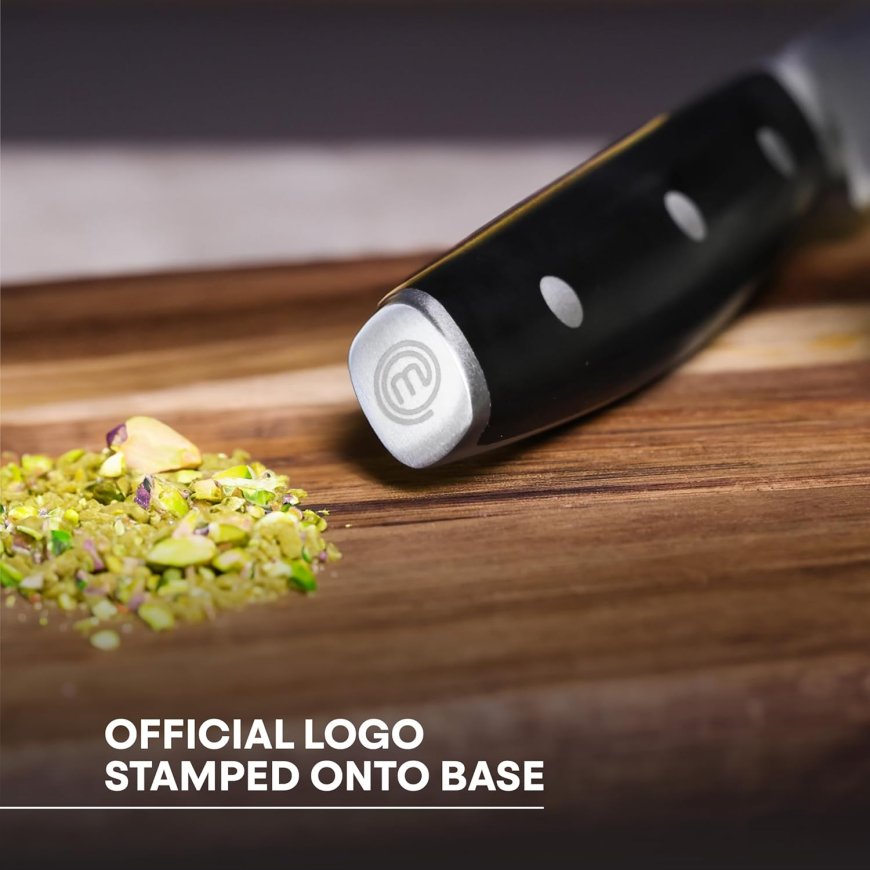
Anyone who takes cooking seriously, whether they are an experienced professional or an enthusiastic home cook, knows how important a quality kitchen knife is. It is not just a tool, but an extension of your hand that makes every task in the kitchen more efficient and enjoyable.
Of course, the feel of the perfect knife is highly individual. What fits one hand perfectly and provides full control may be uncomfortable for another. A universal knife that brings equal pleasure in cutting and slicing for everyone simply does not exist.
Thats why in this article, we will carefully examine the key features that define a truly good kitchen knife. We will focus on the factors you should consider when making your choice, to find that knife which will not only be effective but also a true pleasure to use in your kitchen.
? In the remainder of this article, we will discuss the differences in knives and why you should choose one design over another, including:
? Differences between carbon steel and stainless steel
? Blade shape
? Blade thickness
? Blade length
? Double bevel vs. single bevel
? Hidden tang vs. full tang handles
? Knife balance
? Advantages and disadvantages of bolster
? + ? Steel Blade of the Knife
Manufacturers create blades from either high-carbon steel or stainless steel, but one is not necessarily better than the other, as both have their pros and cons.
All steel chef knives will contain some amount of carbon, but anything above 0.8% will classify the knife as a high-carbon steel knife.
??? Why Choose a High-Carbon Steel Knife Over a Stainless Steel Knife
Carbon steel knives will react with the environment, which can give the blade a lot of character. Over time, you will notice that the knife's blade develops a patina of light and dark. There is also the potential for rust, so carbon blades generally require a bit more care when stored.
The most significant advantage of high-carbon steel knives is that they hold their edge much longer. If you spend all day in a busy kitchen without time to sharpen your blade, then a high-carbon steel knife will be the right choice.
Many chefs enjoy a blade that visibly changes in appearance as it adapts to the environment. In short, a high-carbon steel knife will respond to its surroundings over time and will require more maintenance than stainless steel versions. It is also worth noting that rust will dull a high-carbon steel knife, but proper care will prevent this from happening. After cleaning your high-carbon knife, apply a thin layer of oil to the blade to provide a protective coating against moisture.
? Steel Hardness and Blade Sharpness
The hardness of the steel is managed through heat treatment of the blade. Heat causes a chemical bonding that makes the metal much harder. Not only do you get a stronger edge, but a high-carbon steel knife will hold its edge much longer than stainless steel.
The hardness has a downside because it creates a more brittle edge. Hardened knives are susceptible to damage from rough handling and dropping. A softer edge can bend after falling, but it will easily return to shape.
Chef Knife Shape
The shape of the blade will determine the type of work it is best suited for. Many German-style knives have a rounded belly, which is very suitable for the rocking cutting technique where the blade rocks along the curved belly of the knife.
Japanese-style chef knives, which typically have a flat profile along the edge, are better suited for slicing and chopping on a cutting board using downward cutting techniques.
Some French chef knives can be considered a hybrid between German and Japanese styles. The blade has a slight curve toward the front, which flattens toward the back. These knives can be used for both cutting methods, but the flat edge suggests that this type of blade is better suited for downward cutting.
Considering the Thickness of the Chef Knife Blade
Thin knives are excellent for most cutting tasks, and the thinner the blade, the better it will slice. However, thin knives can be too delicate for more serious tasks, such as cutting through bones.
Thicker blades have added weight and heft to cut through meats and any cutting where the knife may endure stress or apply significant pressure.
One edge is not necessarily better than the other, but generally, if your cooking is more delicate, a thinner edge will make you more effective. Additionally, if you are in the kitchen for several hours, a heavy blade will take a toll on your hands.
?? Finding the Ideal Blade Length
Most professional chef knives range between 9 and 10 inches in blade length. A reasonably long blade is more productive because you can arrange more food under the knife.
Long blades create heavier knives, which can be a drawback when cutting all day. Additionally, if you lack cooking space or tend to work on small cutting boards, a long knife may hinder you.
An excellent compromise is the 8-inch chef knife. It is long enough to handle most tasks relatively quickly and does not require as much workspace. You will often see chefs using 8-inch knives in restaurants, but some chefs prefer even smaller ones.
6-inch knives are great for chefs working in very tight spaces, but there is also something to be said for the level of control that a 6-inch chef's blade can provide.
This feature is especially true if you are working with the tip of the knife to do some delicate work, but you will still have a blade capable of slicing carrots and mincing shallots, along with everything else you need to do. If you do not spend hours in the kitchen, then do not compromise on the value of a smaller blade.
The blade is the part of the knife that extends beyond the edge and is an important consideration when choosing a chef's knife, whether it is high-carbon steel or stainless steel.
A knife with a hidden tang is one where the tang extends partially into the handle, and the blade is secured there with adhesive or some type of glue.
Materials for Chef Knife Handles
Manufacturers can use a variety of materials for knife handles. The most important thing is that the handle material matches the environment in which it will be used.
Fibrox is a popular material for creating knife handles. It provides a soft feel to the knife while being easy to clean. Additionally, it is certified to be bacteria-resistant, which is essential in a commercial food situation.
Wusthof uses a hard black plastic material on their knife handles. It will not warp, crack, or change sizes. It helps you grip the knife firmly for excellent control and is very easy to maintain clean.
If you are someone who appreciates the beauty of natural materials, then wood is a great choice. Wooden handles allow you to own a chef's knife that is unique, as no two pieces are exactly alike. Wood does require some maintenance, but the unique and natural beauty it brings to the knife may be worth the compromise.
Handle Shapes
Finding the perfect shape for your kitchen knife handle can be a bit challenging if you are shopping for knives online. The only true indication of whether you will appreciate the shape and feel of the handle will come from physically holding it.
If you are shopping online, make sure you buy from a retailer with a solid return policy. You dont want to end up with an expensive, high-quality knife that you will never use because you dont like how it feels in your hand.
For more delicate work, the usual way is to grip the knife by pressing two fingers up against where the blade meets the handle. This position gives you more precise control for delicate slicing.
The balance of the knife will depend on your preferences as well as the type of work you are doing. When we talk about balance, we mean where the balance point is between the two ends of the knife.
A knife with a heavy blade will have the balance point further down the length of the blade. A knife that balances toward the front of your hand, close to where your first finger covers the blade, is considered by many chefs to be a well-balanced knife.
If the knife's balance is too far toward the front of the blade, it might feel top-heavy and difficult to work with. Conversely, if the balance is too far back from the handle, you may feel like you need to exert extra effort to make cutting motions.
Chef knives dont have to be perfectly balanced in the center to feel comfortable. A slight shift from the center toward the front of the handle or slightly back will let you feel that the knife is well-balanced.
In general, when considering shape and balance, choose a knife that feels comfortable in your hand and test it before you buy.
Chef Knife Bolster
The bolster is the thick connection between the blade and the handle and serves to create a smooth transition from blade to handle.
Bolsters add strength to the chef's knife and improve its durability. Since the blade of the chef's knife is usually lighter than the handle, the bolster also creates a nice counterbalance to restore the overall balance of the knife and control over it.
Most full tang chef knives will have a bolster, but they are also a common addition to forged knives. The thickness of the bolster will indicate the original thickness of the steel used to forge the blade. Stamped or laser-cut knives can also have an added bolster.
A full bolster is one that extends down to the heel of the blade. Larger bolsters can provide some protection from the edge of the blade when using the knife for heavy cutting. However, full bolsters can make it difficult to use the entire edge of the knife, and sharpening can be problematic.
? Lets Remember
Choosing a quality kitchen knife is a deeply personal process that depends on individual needs, preferences, and cooking style. As we have examined, there are many factors that need to be carefully consideredfrom the type of steel and blade shape to thickness, length, balance, and handle design. Whether you prefer the strength and long-lasting sharpness of high-carbon steel or the corrosion resistance of stainless steel, whether your cutting technique is rocking or pressing, or if you are looking for a specific feel in your hand, the market offers a wealth of options. Investing in a high-quality kitchen knife is not just purchasing a tool; it is an investment in a more effective, safe, and enjoyable culinary experience. Take the time to explore the different characteristics and, if possible, test the knife before making a final decision. Ultimately, the best knife for you is the one that feels like a natural extension of your hand and allows you to unleash your full culinary potential in your kitchen.