
























Motorized Valves for High-Temperature Steam Applications
Durable motorized valves for high-temperature steam. Precision control and safe operation in boilers, power plants, and industrial steam systems.

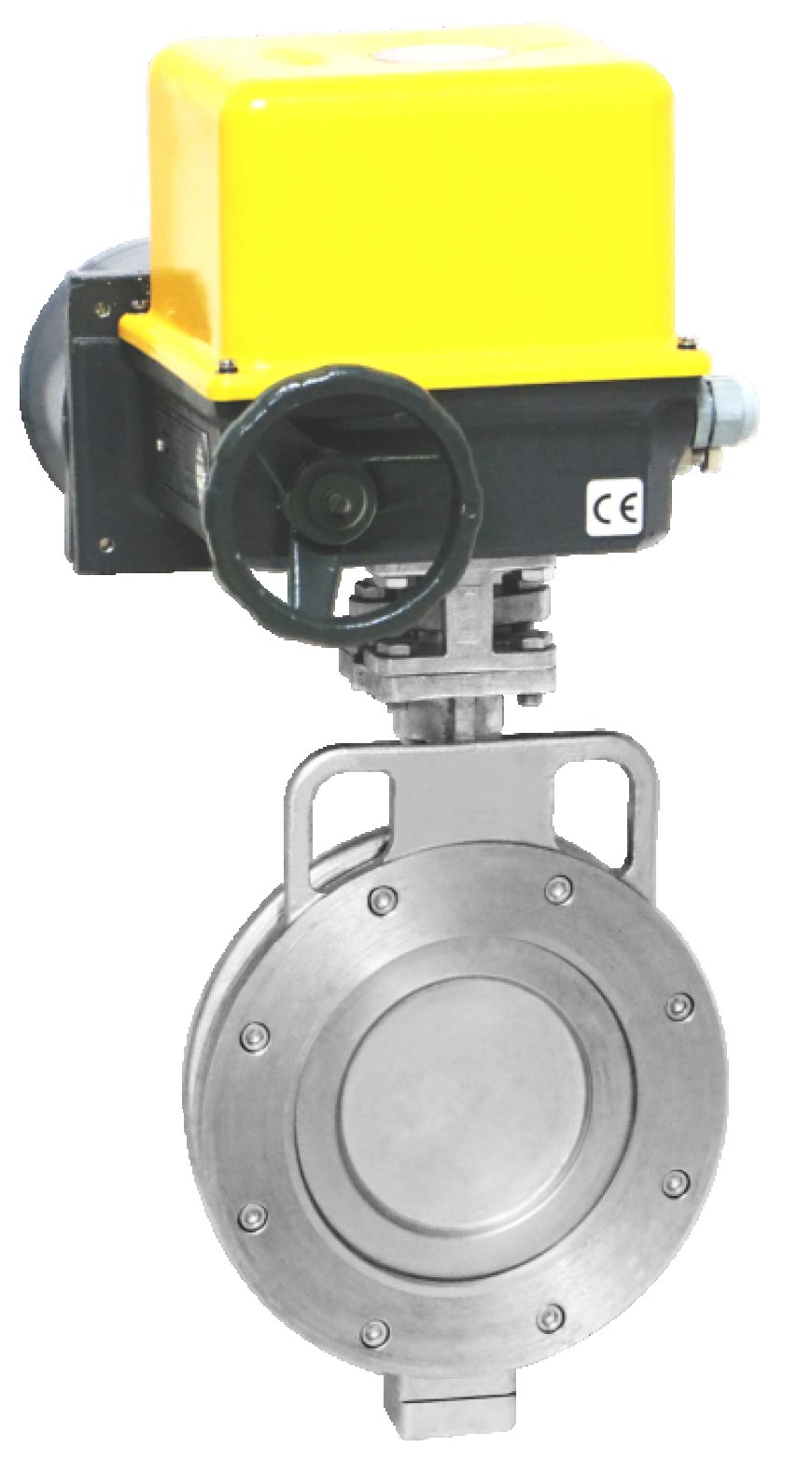
Steam is one of the most commonly used heat transfer fluids in industrial processes. It is essential in power generation, chemical processing, food manufacturing, textile production, and pharmaceuticals. These processes often involve high temperatures and pressures, requiring robust flow control equipment. Motorized valves play a critical role in handling such demanding conditions by providing safe, automated, and precise steam flow regulation.
Motorized valves, operated by electric actuators, offer remote control and system automation benefits. In high-temperature steam systems, these valves ensure energy efficiency, process accuracy, and operational safety. This article explores their importance, working principles, types, actuator features, suitable materials, and industry applications.
What are motorized steam valves?
Motorized valves are flow control devices that use an electric actuator to open, close, or modulate a valve. Unlike manual or pneumatic valves, motorized versions are controlled automatically via an electric signal. This allows for seamless integration with industrial automation systems, including PLCs, DCS, or SCADA platforms.
In high-temperature steam applications, these valves are engineered to withstand extreme heat, thermal cycling, and pressure variations. They are typically installed in areas where manual operation would be unsafe or inaccessible. These valves are crucial in regulating steam to ensure temperature stability, protect equipment, and optimize energy use.
Applications of motorized valves in steam systems
Motorized steam valves are used in a variety of industrial processes where precise control is required:
-
Power generation
-
Boiler steam control
-
Turbine operation
-
Condensate recovery systems
-
-
Food and beverage processing
-
Steam cooking and sterilization
-
Heat exchangers
-
Clean-in-place (CIP) systems
-
-
Chemical and pharmaceutical industries
-
Reactor heating
-
Autoclave operation
-
Temperature-sensitive fluid handling
-
-
Textile and paper industries
-
Fabric drying lines
-
Paper steam heating sections
-
-
District heating and HVAC
-
Central boiler systems
-
Steam heating units
-
Humidification systems
-
These valves improve automation and reduce human intervention in potentially hazardous high-temperature areas.
Types of motorized valves for steam
The type of motorized valve selected depends on the level of control required and the application conditions:
Motorized globe valves
These are ideal for throttling and modulating steam flow. Their linear movement and internal design provide smooth and accurate flow adjustment.
Motorized ball valves
When fitted with metal seats, ball valves are used for quick shut-off in high-temperature systems. They are suitable for on/off applications and offer a compact solution.
Motorized gate valves
Gate valves provide minimal resistance and full-bore flow. They are used to isolate large-diameter steam lines, especially in main distribution systems.
Motorized butterfly valves
Butterfly valves are lightweight and cost-effective. When constructed with high-temperature materials, they are suitable for moderate-pressure steam pipelines.
Motorized control valves
These are specifically designed for dynamic, modulating control. They are often part of complex automation systems in boilers and process heating applications.
Electric actuator features for steam service
The electric actuator is the heart of a motorized valve system. For steam applications, actuators must be designed to operate in high-temperature environments and offer long-term reliability.
Key features include:
-
Voltage compatibility (24V DC, 110V AC, 230V AC, 415V AC)
-
On/off or modulating operation
-
High ambient temperature tolerance (typically up to 80100C)
-
Weatherproof and explosion-proof enclosures (IP67, IP68, or ATEX)
-
Position indicators and feedback (limit switches, potentiometers, 420mA, 010V)
-
Manual override for emergency operation
-
Optional features like heaters, thermostats, and fault alarms
Some advanced actuators also support communication protocols like Modbus, Profibus, or wireless connectivity for integration with smart industrial systems.
Material selection for high-temperature steam
Steam is not only hotit can be corrosive depending on water quality, pressure, and chemical additives. Selecting appropriate materials ensures safe and long-lasting valve performance.
Valve body materials
-
Carbon steel (WCB, WC6): commonly used for high-pressure steam
-
Stainless steel (304, 316): offers corrosion resistance
-
Alloy steel: used in superheated steam systems
Seats and seals
-
Metal-to-metal seats: suitable for continuous high temperatures
-
Graphite packing: provides resistance to thermal degradation
-
PTFE and Viton: acceptable for low- to moderate-temperature steam
End connections
-
Flanged (ANSI, DIN): standard for industrial pipelines
-
Socket weld and butt weld: used for high-pressure, critical systems
Material compatibility is essential not only for temperature but also for pressure rating and cycle life.
Integration with industrial automation
Motorized valves can be seamlessly integrated into plant automation systems for monitoring, diagnostics, and remote control. These systems include:
-
Programmable Logic Controllers (PLC)
-
Supervisory Control and Data Acquisition (SCADA)
-
Distributed Control Systems (DCS)
-
Industrial Internet of Things (IIoT) platforms
This integration allows operators to schedule valve operations, receive fault notifications, and adjust valve positions in real-time. It also helps in predictive maintenance by tracking cycle counts and actuator performance over time.
Advantages of using motorized valves in steam systems
Using motorized valves for high-temperature steam brings a range of operational and safety benefits:
-
Precision control
Modulating valves allow for fine-tuned steam regulation, improving energy efficiency and process consistency. -
Enhanced safety
Remote control reduces the risk to personnel in high-temperature or hazardous areas. -
Reduced downtime
Automated systems can detect issues early and take corrective action without manual intervention. -
Longer valve life
Proper material selection and actuator design ensure durability even in harsh conditions. -
Integration with smart systems
Digital monitoring enables real-time insights and system optimization.
Conclusion
High-temperature steam systems are demanding environments where traditional manual control is no longer efficient or safe. Motorized valves provide the automation, durability, and precision needed to operate these systems reliably. Whether its in power plants, food processing facilities, or pharmaceutical labs, motorized valves help industries achieve better control, improved safety, and reduced operational costs.
By choosing the right valve type, materials, and actuator configuration, plant engineers and maintenance teams can optimize steam control systems for long-term performance. As industrial automation continues to evolve, motorized steam valves will remain a key component in smart, safe, and efficient process control.