
















How Woven Fabric is Revolutionizing Industrial Manufacturing
Learn how woven fabrics and stabilization fabrics are transforming industrial manufacturing with strength, durability, and performance-driven solutions.
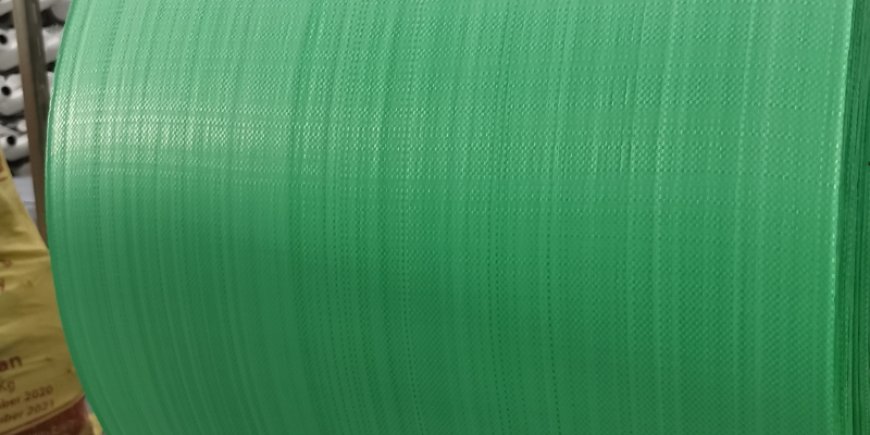
With industries pushing the limits of innovation, materials that deliver both strength and versatility are driving a new era in manufacturing. Among these, woven fabric has emerged as a quiet powerhouse - delivering unmatched durability, flexibility, and performance across multiple sectors. From construction and agriculture to logistics and landscaping, woven fabrics are proving indispensable for manufacturers seeking reliable, scalable solutions.
But what exactly makes woven fabric such a game-changer? And why are businesses across industries shifting toward this material for their stabilization, packaging, and reinforcement needs? Lets dive in.
What is Woven Fabric?
At its core, woven fabric is produced by interlacing two or more sets of yarns at right angles. This cross-weaving technique creates a robust and stable structure that resists wear and tear, making it ideal for demanding industrial applications.
Depending on the type of polymer used (typically polypropylene or polyethylene), woven fabrics can be tailored for specific functions such as load bearing, filtration, or UV resistance. Their versatility is a primary reason why they're making such waves in manufacturing.
The Role of Woven Fabric in Modern Industry
Industrial manufacturing demands materials that do more than just exist - they need to perform. Woven fabric meets that challenge head-on by offering benefits across key areas:
1. Strength with Flexibility
Woven fabrics provide an excellent balance of tensile strength and pliability. This makes them suitable for applications like FIBC (Flexible Intermediate Bulk Containers), where heavy loads must be transported without compromising flexibility or structure.
2. Superior Durability
Unlike nonwoven alternatives, woven fabric can endure mechanical stress and harsh environmental conditions. It's especially valuable in scenarios where longevity and abrasion resistance are essential.
3. Customization for Specialized Use
Woven fabrics can be laminated, coated, or perforated to match different industrial requirements. For example, laminated woven fabric is used in moisture-sensitive applications, while UV-stabilized versions are preferred for outdoor use.
Stabilization Fabric: A Key Subset of Woven Innovation
One specific application that's seen significant growth is stabilization fabric - a type of woven fabric designed for soil stabilization, erosion control, and load distribution.
Why Stabilization Fabric Matters:
- It reduces rutting and cracking in roads.
- It enhances soil structure in construction projects.
- It prevents erosion in landscaping and infrastructure development.
Because of its woven structure, stabilization fabric allows water to drain while retaining soil particles, ensuring both functionality and sustainability in groundwork operations.
From highways to construction pads, stabilization fabrics have become an essential part of the material toolkit for civil engineers and project managers.
Sustainable, Scalable, and Smart
As environmental compliance becomes more critical, manufacturers are turning to woven fabric not only for its performance but also for its sustainability. Polypropylene-based woven fabrics are recyclable, lightweight (reducing shipping emissions), and efficient to produce.
This aligns with a broader industrial trend: using smarter materials that offer long-term value while reducing ecological impact. With woven fabrics, its possible to meet modern expectations without compromising on quality or cost.
Real-World Applications Transforming Industry
The versatility of woven fabric makes it suitable for a wide range of industrial use cases:
- Construction: Ground covers, fencing, stabilization layers
- Agriculture: Crop covers, weed control, shade nets
- Packaging: Bulk bags, sack reinforcement
- Logistics: Pallet liners, moisture barriers, protective wraps
- Infrastructure: Road underlayment, drainage solutions
One reason for the rapid adoption of woven fabric is its adaptability. It can be engineered to suit everything from fine filtration in geotextiles to heavy-duty reinforcement in export-grade packaging.
Where Quality Matters
When investing in woven or stabilization fabrics, the quality of the material directly impacts your projects performance. Thats why it's essential to partner with a manufacturer who understands the demands of industrial-grade applications.
Anita Plastics has been at the forefront of woven fabric innovation, offering premium-grade solutions tailored for diverse industry needs. Whether you're looking for high-performance geotextiles or dependable packaging-grade fabrics, they deliver with precision, durability, and reliability.
Final Thoughts: Why Woven Fabric Is Here to Stay
Woven fabric isnt just another industrial material - its a strategic asset. Its strength, adaptability, and sustainability are helping businesses optimize operations and reduce long-term costs.
From stabilization fabric that strengthens infrastructure to packaging solutions that simplify transport, this material continues to revolutionize how modern industry functions.
Looking for reliable woven fabric and stabilization fabric solutions?
Connect with Anita Plastics today for expert guidance and high-performance materials that meet your toughest industrial demands.