























Home Elevator Cost for New Builds vs. Retrofits: What’s the Difference?
If you’re considering installing a home elevator, one of the first decisions you’ll need to make is whether to include it in a new build or add it to an existing home.

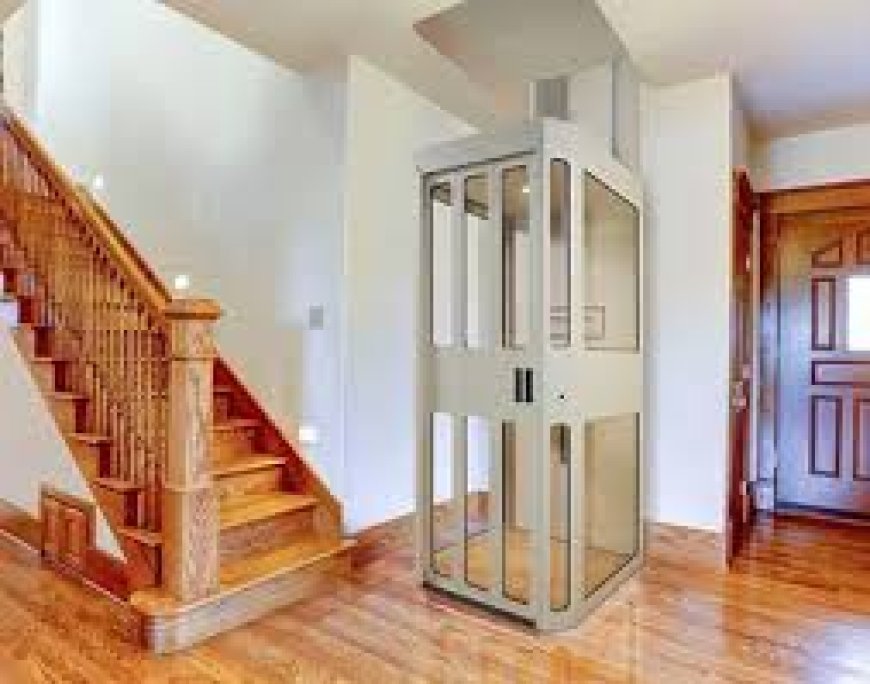
If youre considering installing a home elevator, one of the first decisions youll need to make is whether to include it in a new build or add it to an existing home. While the elevator itself might be the same, the installation processand more importantly, the home elevator costcan vary significantly depending on whether youre building from scratch or retrofitting an existing structure.
At San Diego Home Remodeling, weve helped homeowners across the San Diego area with both scenarios. Heres a breakdown of the differences in cost, design, and planning so you can make the right choice for your situation.
Why the Construction Type Matters
Installing a home elevator in a brand-new house is very different from adding one to a home thats already built. The structure, space availability, electrical layout, and overall design flexibility all change depending on where you are in the building process.
These factors directly affect:
-
Construction labor
-
Material needs
-
Time to install
-
Permitting and inspection requirements
As a result, the home elevator cost in a new build is typically lower and easier to control than in a retrofitif planned properly.
Home Elevator Cost in New Builds
New builds allow for seamless integration of the elevator system. Since the structure is still in progress, builders can plan for:
-
Shaft space
-
Electrical and mechanical access
-
Weight support
-
Aesthetic design around the cab
Cost Range:
Typically $25,000 to $45,000, depending on the elevator type and finish.
Pros:
-
Lower labor costs
-
Fewer surprises during construction
-
No demolition or rework required
-
Easier compliance with code requirements
-
Cleaner, more efficient elevator design
If youre already working with a general contractor or builder, our team at San Diego Home Remodeling can collaborate directly with them to integrate the elevator during constructionsaving time and money in the process.
Home Elevator Cost in Retrofits
Retrofitting an elevator into an existing home is possible, but it comes with added challengesand often, higher costs. Walls may need to be removed, structural reinforcements added, and space created for the shaft and mechanical components.
Cost Range:
Usually between $30,000 and $60,000+, depending on the elevator type, home layout, and amount of reconstruction needed.
Common Challenges:
-
Limited space
-
Load-bearing wall changes
-
Rerouting electrical or plumbing lines
-
Delays due to permit updates or unforeseen structural issues
That said, many homes do have underused spaceslike closets, hallways, or unused cornersthat can be converted with minimal disruption. Our design team at San Diego Home Remodeling specializes in identifying the most efficient installation routes to keep your home elevator cost as low as possible.
We also work alongside trusted Local Handyman San Diego partners to handle trim work, drywall repair, and finish carpentry after the installationso the elevator blends in like it was always part of the home.
Choosing the Right Elevator Type for Each Situation
Heres a quick look at how popular elevator types perform in new builds vs. retrofits:
-
Hydraulic Elevators: Great for new builds with space to spare. These systems need a pit and machine room, which are easier to accommodate in early construction.
-
Pneumatic Elevators: Perfect for retrofits. Theyre self-contained, require no pit or machine room, and take up less space.
-
Cable-Driven Elevators: Can work for both. Theyre flexible but may need structural adjustments in older homes.
Tips to Manage Cost in Either Case
Regardless of whether youre building new or retrofitting, here are a few ways to keep costs down:
-
Plan early: The sooner you design for the elevator, the fewer changes youll need later.
-
Use basic finishes: Start with a simple cab and upgrade later if desired.
-
Bundle services: Combine your elevator with other Home Remodeling Services (like a bathroom or kitchen upgrade) to save on labor.
-
Leverage handyman support: Tasks like painting or finish work can be done more affordably through Handyman San Diego Services.
Which Option Is Better?
Theres no one-size-fits-all answer. If youre building a new home, its wise to plan for an elevatoreven if you dont install it right away. Leaving room for a future shaft can save you thousands down the road.
If youre in an existing home and need accessibility now, retrofitting is a smart investmentespecially if youre planning to age in place or care for a loved one with mobility needs.
Either way, the home elevator cost becomes more manageable with good planning, realistic expectations, and the right team guiding the process.
Final Thoughts
Installing an elevator is a major step toward a more accessible, future-ready home. While new builds offer more cost control and design flexibility, retrofits are still very doable with the right planning.
At San Diego Home Remodeling, we help homeowners weigh the pros and cons of each option, choose the best elevator type, and keep costs in checkwhether youre starting fresh or updating a decades-old house. Our network of experts, including reliable Local Handyman San Diego professionals, ensures every detail is handled with care.
Thinking about adding an elevator to your home? Lets talk about your space, your goals, and your budget. Well help you get thereone floor at a time.