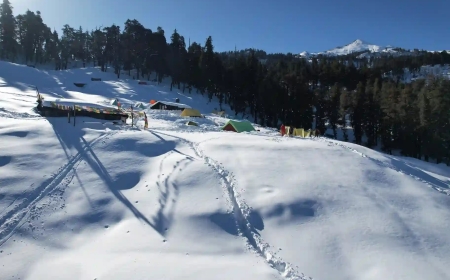

























Hiking in Pakistan: An Untouched Paradise for Nature Seekers
For those who seek nature in its purest, rawest form, few destinations in the world can match the untouched beauty of Pakistan. Nestled between the towering ranges of the Himalayas, Karakoram, and Hindu Kush, Pakistan is a land where natures grandeur meets serenity a paradise for hikers, trekkers, and outdoor explorers.
While global attention often turns to Nepal or Switzerland for mountain adventures, Pakistan remains an unpolished jewel offering solitude, cultural richness, and unmatched landscapes. From lush green valleys to high-altitude lakes, snow-covered passes, and alpine meadows, hiking in Pakistan is more than a physical journey it's a spiritual experience.
1. A Landscape Sculpted by Nature
Pakistans diverse terrain offers an incredible range of hiking opportunities:
-
The Karakoram Range hosts some of the worlds tallest peaks, including K2 (8,611 m), the second-highest mountain on Earth.
-
The Himalayan region in Azad Kashmir is full of dense forests, gushing rivers, and blooming meadows.
-
The Hindu Kush in Chitral presents dramatic, rocky trails and hidden valleys.
-
Southern plateaus and deserts, like the Salt Range and the Margalla Hills, provide gentler hikes rich in history and wildlife.
This diversity ensures that whether you're a seasoned mountaineer or a weekend nature walker, youll find the perfect trail suited to your skill level and curiosity.
2. The Magic of Undiscovered Trails
Unlike popular international destinations, many of Pakistans most scenic hiking trails remain largely unexplored. This means:
-
No tourist crowds
-
Untouched landscapes
-
Greater connection with nature
-
Opportunities for solitude and reflection
You can walk for hours surrounded by towering mountains, tranquil lakes, or flower-filled meadows all without encountering another hiker. Its this authentic wilderness experience that makes Pakistan so unique for nature seekers.
3. Iconic Hiking Destinations in Pakistan
a. Fairy Meadows & Nanga Parbat Base Camp
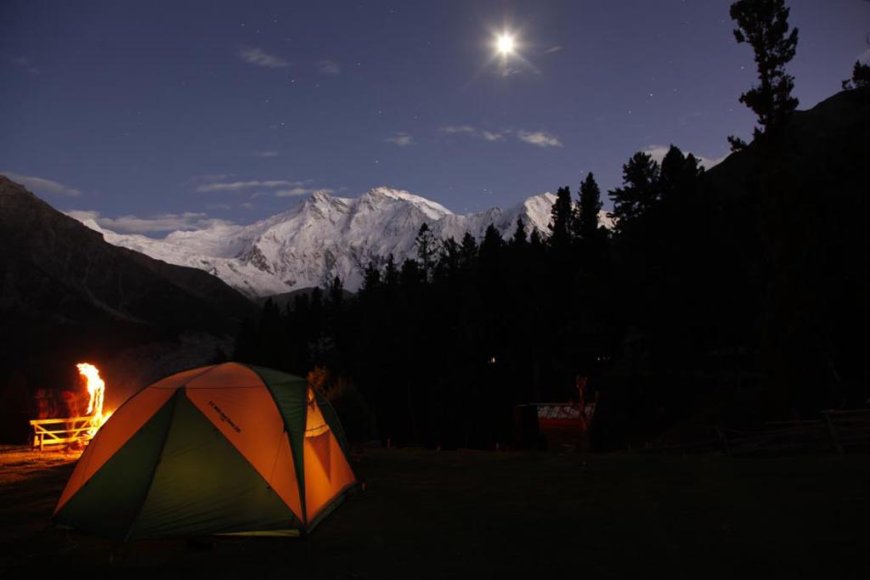
This world-famous yet peaceful trail leads to Fairy Meadows a grassland with jaw-dropping views of Nanga Parbat, the worlds ninth-highest mountain.
-
Difficulty: Moderate
-
Best Time: May to September
-
Highlights: Alpine meadows, mountain views, peaceful campsites
b. Deosai National Park
Often referred to as the Land of Giants, Deosai is a high-altitude plateau filled with rolling grasslands, wildflowers, and Himalayan brown bears.
-
Difficulty: Easy to Moderate
-
Best Time: July to September
-
Highlights: Sheosar Lake, wildlife, stargazing, endless horizons
c. Ratti Gali Lake Azad Kashmir
Accessible via a short trek from the town of Dawarian, this glacial lake stuns visitors with its deep blue color, surrounded by cliffs and alpine flowers.
-
Difficulty: Easy to Moderate
-
Best Time: June to August
-
Highlights: Clear glacier-fed lake, lush green trails, waterfalls
d. Rush Lake Trek Nagar Valley
This trek leads to one of the worlds highest alpine lakes, Rush Lake (4,694 m), offering panoramic views of peaks like Spantik and Ultar Sar.
-
Difficulty: Challenging
-
Best Time: July to September
-
Highlights: High-altitude scenery, glaciers, quiet campsites
e. Musa Ka Musalla Kaghan Region
This lesser-known hike takes you through forests, ridges, and eventually to the peak of Musa Ka Musalla (~13,500 ft), offering stunning 360-degree views.
-
Difficulty: Moderate
-
Best Time: May to September
-
Highlights: Meadows, wildlife, mountain summits
4. Why Hiking in Pakistan is Unique
? Unparalleled Solitude
In many parts of the world, nature comes with a crowd. In Pakistan, you can trek for hours without seeing another tourist creating a more intimate, peaceful connection with the environment.
? Cultural Encounters
Most hiking routes pass through remote villages where ancient traditions, local hospitality, and simple living are still part of daily life. Interacting with the locals often over a cup of chai is as enriching as the views.
? Affordable Adventure
Compared to Western or even South Asian trekking destinations, Pakistan is highly affordable. Local transport, food, and accommodation are budget-friendly. High-quality hiking and camping gear from trusted local providers like NatureHike Pakistan make preparation easier than ever.
? Diverse Environments
You can hike through dense pine forests, barren glaciers, high desert plains, flower-filled meadows, and snow-covered ridges all in the same region.
5. Gear Up for the Adventure
Hiking in Pakistan demands proper preparation, especially when venturing into remote and high-altitude areas. Essential gear includes:
-
A lightweight tent (from brands like NatureHike Pakistan)
-
Sleeping bag suitable for sub-zero temperatures
-
Waterproof hiking boots
-
Backpack, trekking poles, and headlamp
-
Weather-appropriate clothing (layers are key)
-
First aid kit and water purification tablets
NatureHike Pakistan provides reliable, affordable outdoor gear for both beginners and seasoned hikers all tailored to Pakistans terrain and climate.
6. Responsible Hiking: Respecting Nature and Communities
As more people begin exploring Pakistans wilderness, its vital to practice Leave No Trace ethics:
-
Take all trash back with you
-
Avoid disturbing wildlife
-
Camp at designated spots
-
Respect local customs and dress codes
-
Support local communities by hiring guides and staying in village guesthouses
Sustainable hiking ensures that these trails remain pristine for generations to come.
7. Best Time to Hike in Pakistan
-
May to September: The most accessible months for most regions, especially Gilgit-Baltistan and Azad Kashmir.
-
October to April: Suitable for lower-altitude regions like the Margalla Hills near Islamabad, or the southern Salt Range.
Avoid the monsoon season in July in certain areas due to landslides and road closures. High-altitude treks like Rush Lake and Deosai are best attempted between mid-July and early September.
8. Safety Tips
While Pakistan is welcoming and increasingly safe for travelers, it's important to:
-
Inform someone about your hiking route and expected return
-
Hire local guides for remote treks
-
Check the weather and trail conditions before departure
-
Carry emergency contact numbers and a map (GPS is useful but not always reliable in remote areas)
-
Stay hydrated and acclimatize at high altitudes
With some basic precautions, hiking in Pakistan is safe and incredibly rewarding.
Conclusion: A Call to the Curious
Hiking in Pakistan is not just about reaching a destination its about discovering a world that still feels untouched, where snow-capped peaks rise silently above quiet valleys, and where human connection happens around a bonfire instead of a screen.
As global tourism shifts toward meaningful, sustainable travel, Pakistan stands out as a sanctuary for nature lovers who crave something real. Whether youre chasing panoramic views, alpine solitude, or cultural depth, Pakistan is the paradise youve been searching for.
So, pack your gear, grab your hiking boots, and step into an adventure that few have dared to take. Pakistan is calling and its more beautiful than you ever imagined.