





















Chinese Art Calligraphy: Discover the Soul of Traditional Chinese Culture Through the Stroke of a Brush
Chinese art calligraphy is more than elegant writing—it is an artistic legacy rooted in philosophy, tradition, and spiritual expression.

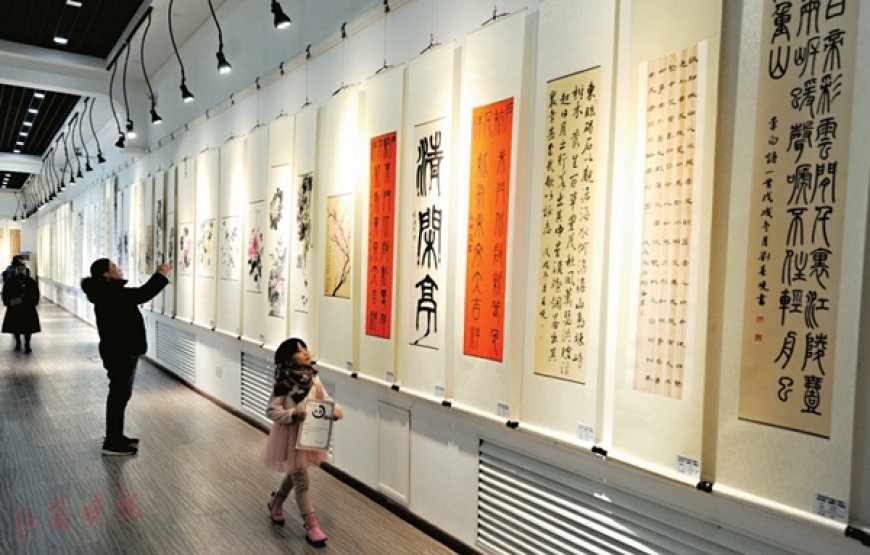
Chinese art calligraphy is more than elegant writingit is an artistic legacy rooted in philosophy, tradition, and spiritual expression. At China Art Hub, we celebrate this enduring art form by offering the finest tools, insights, and authentic materials for calligraphy enthusiasts, artists, and cultural explorers. This guide provides a deep dive into Chinese art calligraphys history, types, techniques, and its relevance in todays cultural scene.
What Is Chinese Art Calligraphy?
Chinese art calligraphy (??, sh?f?) is the stylized, expressive writing of Chinese characters using brush and ink. Its not merely about legibilityits an art form in which the movement, rhythm, and pressure of the brush reflect the personality, emotions, and philosophy of the calligrapher.
Historical Roots of Chinese Calligraphy
Chinese calligraphy dates back over 3,000 years, beginning with inscriptions on oracle bones during the Shang Dynasty. Its development spans various dynasties, each contributing distinct script styles and cultural layers:
| Dynasty | Script Style | Notable Calligraphers |
|---|---|---|
| Shang (16001046 BCE) | Oracle Bone Script | Unknown |
| Han (206 BCE220 CE) | Clerical Script (??) | Cai Yong |
| Tang (618907 CE) | Regular Script (??) | Ouyang Xun, Yan Zhenqing |
| Song (9601279 CE) | Cursive & Running Script | Su Shi, Huang Tingjian |
Key Types of Chinese Calligraphy
Each script in Chinese calligraphy serves both aesthetic and practical purposes. Heres a brief overview:
-
Seal Script (??): Ancient, formal, and decorative.
-
Clerical Script (??): Flat, wide strokes; used for formal documents.
-
Regular Script (??): Most legible; perfect for learning.
-
Running Script (??): Semi-cursive; fluid and expressive.
-
Cursive Script (??): Abstract and fast-paced; shows the calligraphers spirit.
Tools Used in Chinese Calligraphy (The Four Treasures of Study)
Chinese calligraphy requires specific tools known as the Four Treasures of the Study (????):
| Tool | Chinese Name | Description |
|---|---|---|
| Brush | ?? | Made from animal hair; flexible tip for varied strokes. |
| Ink | ? | Traditionally in stick form, ground on inkstones. |
| Paper | ?? | Often rice or mulberry-based; absorbent and smooth. |
| Inkstone | ? | Used to grind ink sticks with water. |
At China Art Hub, we offer premium, handcrafted brush sets and authentic calligraphy paper ideal for beginners and masters alike.
Chinese Calligraphy as an Expression of the Self
Unlike Western calligraphy, Chinese calligraphy is often seen as a spiritual discipline. It requires a calm mind, steady breath, and focused energy. Calligraphers often describe the act as a form of meditationexpressing emotions, mood, and moral character through each stroke.
How to Begin Practicing Chinese Calligraphy
If you're just starting out, heres a step-by-step guide:
-
Choose a Script Style Regular script is best for beginners.
-
Prepare Your Workspace Quiet, clean, and with proper tools.
-
Warm-Up Exercises Practice basic strokes and radicals.
-
Study from Masters Copying historical works is a common method.
-
Focus on Stroke Order Essential for structure and flow.
-
Seek Feedback Share your work with a community or teacher.
Why Chinese Calligraphy Matters in the Modern World
Chinese art calligraphy remains deeply relevant in todays society. From cultural education to design, tattoo art, and digital branding, its influence stretches beyond borders.
-
Educational Value: Enhances memory and fine motor skills.
-
Therapeutic Practice: Promotes relaxation and mindfulness.
-
Cultural Identity: A vital link to Chinese heritage for overseas communities.
-
Creative Expression: Blends tradition with modern design in art and fashion.
Frequently Asked Questions
Q1: Can I learn Chinese calligraphy without knowing Chinese?
Yes. Many international learners study calligraphy as an art form. While knowing Chinese helps, you can focus on stroke techniques, shapes, and rhythm without full language fluency.
Q2: How long does it take to master Chinese calligraphy?
It depends. Mastery can take years, but youll see progress within weeks with regular practice. Many consider it a lifelong journey.
Q3: Is Chinese calligraphy still practiced in China today?
Absolutely. Calligraphy remains part of school curricula, cultural festivals, and fine art. Contemporary calligraphers continue to innovate while honoring tradition.
Q4: Whats the difference between Japanese and Chinese calligraphy?
While both use brush and ink, Chinese calligraphy is based on Chinese characters and traditions, whereas Japanese calligraphy (shod?) incorporates kana syllabary and Zen Buddhist influence.
Final Thought
Whether you're embracing Chinese calligraphy for cultural exploration, creative expression, or meditative practice, this ancient art opens a timeless path of discovery. At China Art Hub, were proud to support your journey with high-quality tools and cultural insight that honor the legacy of this enduring tradition.