
























ISO 13485 Certification: The Gold Standard for Medical Device Excellence
Imagine a pacemaker failing. Or an IV drip delivering the wrong dosage. Scary, right? That’s why ISO 13485 Medical Devices certification exists—it’s the global benchmark ensuring medical devices are safe, reliable, and effective. Whether you’re a startup developing cutting-edge diagnostics or an established manufacturer, ISO 13485 isn’t just about compliance—it’s about saving lives while growing your business.

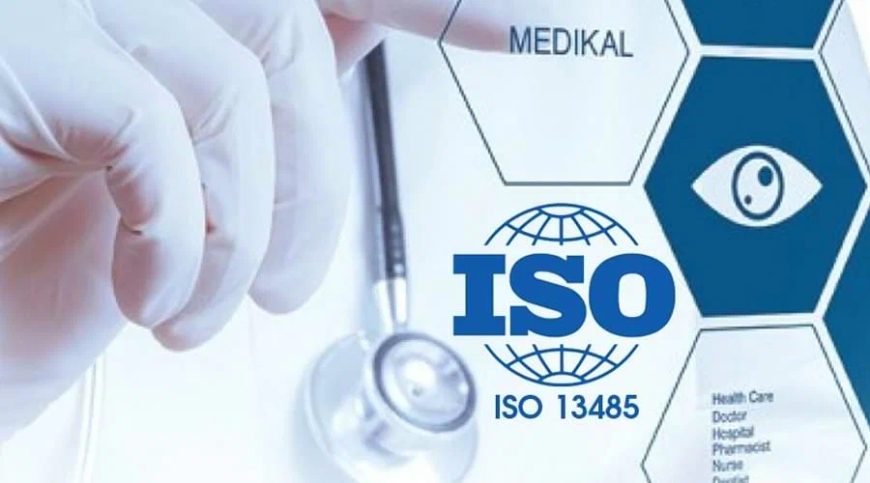
Table of Contents
-
Introduction
-
What Is ISO 13485 for Medical Devices?
-
Why ISO 13485 Certification Is Non-Negotiable
-
5 Critical Benefits of ISO 13485 Certification
-
Step-by-Step Certification Process
-
ISO 13485 vs. Other Medical Device Standards
-
Maintaining Compliance After Certification
-
Common Implementation Challenges & Solutions
-
Choosing the Right Certification Partner
-
Conclusion
-
FAQs
Introduction
Imagine a pacemaker failing. Or an IV drip delivering the wrong dosage. Scary, right? Thats whyISO 13485 Medical Devicescertification existsits the global benchmark ensuring medical devices aresafe, reliable, and effective. Whether youre a startup developing cutting-edge diagnostics or an established manufacturer, ISO 13485 isnt just about complianceits aboutsaving lives while growing your business.
In an industry whereone defect can mean recalls, lawsuits, or worse, this certification is your shield. Lets break down why its thegold standardand how to get certified without losing sleep.
What Is ISO 13485 for Medical Devices?
ISO 13485 is the international standard forQuality Management Systems (QMS) specific to medical devices. Think of it as arigorous safety checklistthat covers every stagefrom design and manufacturing to storage and distribution.
Key Requirements
-
Risk Management Identify and mitigate potential failures (hello, ISO 14971!)
-
Traceability Track every component, like a medical devices "passport"
-
Regulatory Alignment Meets FDA (US), MDR (EU), and other global regulations
-
Supplier Control No weak links in your supply chain
Unlike ISO 9001 (general quality), ISO 13485 istailored for medical devices, with stricter documentation and validation demands.
Why ISO 13485 Certification Is Non-Negotiable
Still think you can skip certification? Consider this:
??Medical device recalls surged by 60%in the UK last year (MHRA)
?Average recall cost: 500,000+ (and thatsbeforelawsuits)
?No certification? No market access The EU, US, Canada, and Australia require it
?Hospitals and procurement teamsprioritize ISO 13485-certified suppliers
Take the case of a small UK-based surgical tool manufacturer thatdoubled its exportswithin a year of certification.
5 Critical Benefits of ISO 13485 Certification
1. Regulatory Green Light
Fast-track approvals inEU (MDR), US (FDA), and other markets.
2. Fewer Recalls, Lower Costs
Certified companies see50% fewer field corrections(BSI report).
3. Competitive Edge
82% of healthcare buyersrequire or preferISO 13485-certified suppliers.
4. Operational Efficiency
Streamlined processes cutvalidation time by 30%.
5. Supply Chain Trust
Prove to partners that youtake safety as seriously as they do.
Step-by-Step Certification Process
1. Gap Analysis (1-2 Months)
Audit your current QMS against ISO 13485 requirements.
2. Documentation Overhaul
Develop procedures for:
-
Design controls
-
Risk management
-
Post-market surveillance
3. Implementation (3-6 Months)
Train teams, deploy tools, and run pilot tests.
4. Internal Audit
Simulate the certification audit to catch weaknesses.
5. Certification Audit (Stage 1 & 2)
AUKAS-accredited bodyassesses your compliance.
6. Continuous Vigilance
Annual surveillance audits keep you sharp.
ISO 13485 vs. Other Medical Device Standards
| Standard | Focus | Best For |
|---|---|---|
| ISO 13485 | Medical device QMS | All device manufacturers |
| MDR (EU) | Regulatory compliance | Selling in Europe |
| FDA 21 CFR 820 | US requirements | FDA submissions |
| ISO 9001 | General quality management | Non-medical products |
Pro Tip:Many companiesintegrate ISO 13485 with MDR/FDA requirementsfor seamless global compliance.
Maintaining Compliance After Certification
-
Monthly QMS reviews
-
Annual staff retraining
-
Real-time risk monitoring(e.g., AI-driven anomaly detection)
-
Supplier re-evaluationsevery 6-12 months
Common Implementation Challenges & Solutions
?Challenge:"Were too small for this!"
?Solution:ISO certification services for small businesses UKoffer scalable, affordable packages.
?Challenge:Documentation overwhelm
?Solution:Use eQMS software like Greenlight Guru or Qualio.
?Challenge:Keeping up with regulatory changes
?Solution:Subscribe to MHRA/FDA alerts and hire a regulatory consultant.
Choosing the Right Certification Partner
Look for:
?UKAS accreditation(non-negotiable)
?Medical device experience(not just generic ISO)
?Transparent pricing(4,00015,000 depending on complexity)
?Post-cert support(updates, training, audit prep)
Conclusion
ISO 13485 certification isnt just a regulatory hoopits yourstrategic advantagein a high-stakes industry. From preventing catastrophic recalls to unlocking global markets, the ROI goes far beyond compliance.
In medical devices,quality isnt just policyits a matter of life and death. The question isnt whether you can afford certification, but whether you can affordnotto certify.
FAQs
1. How long does ISO 13485 certification last?
3 years, with mandatory annual surveillance audits.
2. Can digital health startups benefit?
Absolutely! SaaS and AI-driven diagnosticsmust complywith ISO 13485.
3. Whats the fastest path to certification?
69 monthswith expert guidance and eQMS tools.
4. Does this replace FDA/EU approvals?
Noitcomplements themby ensuring robust QMS foundations.
5. How much does it cost?
From4,000 for startupsto 15,000+ for complex device makers.
Sponsored article: Affordable and Reliable Electrical Agencies in London